
Understanding desk supply organization systems
What a desk supply organizer is and its benefits
If your desk could talk, it would beg for a dignified arrangement—statistically, 30% faster document retrieval at organized workstations. The desk is a microcosm of your day, and a calm surface speaks volumes. Enter the stationery butler—I’ve seen it turn clutter into clarity with a wink.
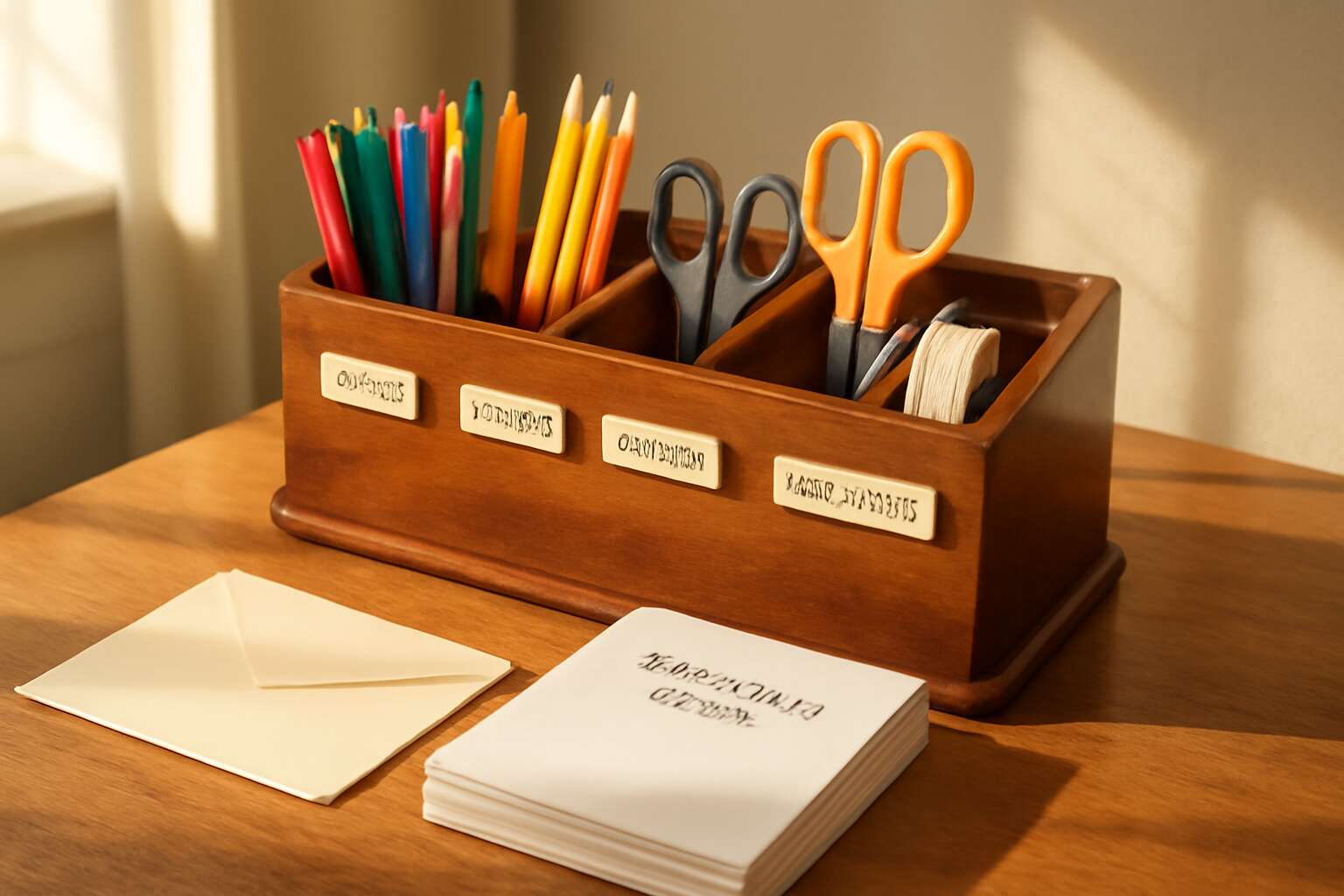
A desk supply organizer is a modular hub for pens, clips, sticky notes, and rulers—an inventor’s drawer. It defines zones for writing tools and stash-worthy odds and ends. Benefits include easier reach and cleaner visuals.
- Easy access to frequently used tools
- Cleaner, distraction-free surface
- Better use of small spaces
For South Africa’s bustling offices, a smart organizer translates habits into harmony, fitting snugly into bays and compact cubicles alike. Tools stay visible without shouting, and the workspace remains approachable yet professional.
Understanding desk supply organization systems blends design with discipline, a humane approach to daily tasks that respects both form and function.
Key components of an efficient organization system
A neat desk can shave minutes from each day, and in South Africa’s busy offices the payoff is real—organized workstations can boost document retrieval by about 30%. Understanding desk supply organization systems is less about pretty trays and more about a living map of your day. The stationery butler stands beside you, turning habit into calm and turning chaos into a confident first impression.
Key components of an efficient organization system include:
- Zoning that groups tools by task
- Modular, space-saving compartments
- Visible, easy-to-reach placements
- Clear labeling and color cues
- Simple maintenance rituals to sustain order
Together, these elements turn a desk into a productive coworker—the stationery butler that never interrupts, just assists.
Common mistakes and how to avoid them
Busy South African desks whisper your work ethic. In the pace of Cape Town, Johannesburg, and Durban offices, a tidy surface can shave minutes, and document retrieval can improve by 30%. The stationery butler stands nearby, turning clutter into calm and first impressions into lasting trust. Understanding desk supply organization systems is less about pretty trays and more about a living map of your day.
Common mistakes creep in when judgment lags.
- Overloading zones with seldom-used tools
- Vague labeling that invites searching
- Ignoring shifts in workload
These missteps derail momentum, but they are easy to spot and gently corrected by treating your desk as a living map—let the stationery butler guide the ebb and flow of your day.
Rather than rigid compartments, a rhythm of reach keeps essentials in sight as projects evolve. The stationery butler sustains flow, turning habit into calm and giving workspaces a voice that supports focus.
How to map your current desk setup
In South Africa’s buzzing offices, an efficient desk reduces search time by nearly 30%—the difference between rushing and grace. Understanding desk supply organization systems begins with mapping your current arrangements. The stationery butler becomes a living map, turning clutter into cues and work into a smoother tempo that suits Cape Town mornings or Johannesburg deadlines.
To map your current desk setup, consider these anchors:
- Take stock of every surface and tool, noting how often you reach for each item.
- Trace daily flows to see where papers and tools accumulate during peak workloads.
- Label zones by function—reach, recall, reference—to reveal gaps as projects evolve.
Mapped with care, your desk becomes a rhythm that sustains focus rather than a pile of tasks. In the South African tempo, that cadence translates to calmer mornings and clearer afternoons.
Storage and layout strategies for stationery
Shelving and drawer configurations for easy access
A cluttered desk costs more than time—it’s decision fatigue. In South Africa, space is precious and every square metre matters. The mindset treats tools as defined places, turning drawers into allies and shelves into quick-access knowledge. Smart storage leverages vertical space, tidy lighting, and calm colours to keep attention where it belongs.
- Frequently used items sit within quick reach
- Items are grouped by function—writing, measuring, labeling tools
- Shelves and drawers are clearly labeled for fast retrieval
- Adjustable racks accommodate shifting supplies
A well-planned shelving and drawer configuration for easy access follows the stationery butler creed: place the most-used tools at eye level, reserve bulk items for lower spaces, and pair vertical dividers with clear bins for quick scanning.
Grouping by function: writing, paper, and accessories
On a sunlit Cape Town morning, desk clutter steals minutes we’ll never reclaim. A well-ordered space revives focus and preserves the flow of ideas. The butler ethos brings vertical grace, calm lighting, and soft tones that turn space into an ally.
Group tasks by function to sculpt a calm workflow. Writing tools, paper supplies, and small accessories each deserve their own lane, so they don’t chase one another across the desk. Grouping by function:
- Writing
- Paper
- Accessories
Place the most-used items at eye level, tuck bulkier items lower, and pair clear bins with adjustable dividers so a quick glance reveals what you need. This mindful layout appears as your daily rhythm, and labels whisper where to find everything. This is the stationery butler at work.
With these choices, storage becomes a refined ritual that makes every square metre feel larger.
Labeling and color coding for quick retrieval
Across South Africa’s bustling desks, minutes drift away as papers flutter and pens vanish into the hum of the day. A deliberate storage and layout vision turns chaos into momentum, a quiet current that carries ideas forward. The stationery butler stands at the threshold of focus, turning a cluttered surface into a patient ally.
Labeling and color coding become the language of retrieval. Zones by function read like a map, while cues curb the chase. The stationery butler offers a visual grammar that guides every glance:
- Color-coded bins for writing tools, paper, and small accessories
- Front-facing, legible labels that reveal what sits where
- Transparent containers that display contents at a glance
- Adjustable dividers that adapt to evolving workflows
In this choreography, storage becomes a quiet ritual, not a burden.
Compact setups for small spaces
In the pulse of South Africa’s mornings, a clean desk becomes a gateway to momentum. Storage and layout for stationery flourish in compact setups that honor precious square meters while expanding possibility. The stationery butler transforms a crowded surface into a patient ally, turning chaos into a quiet rhythm as ideas settle into their appointed places.
For small footprints, vertical and transparent strategies let space breathe.
- Vertical display shelves that rise along the wall
- Front-facing bins and clear containers for instant visibility
- Slim, modular dividers that reconfigure as needs shift
Small-space storage becomes a refined rhythm rather than a compromise, where every piece finds its moment in light and reach, a subtle luxury in a brisk day.
Product selection and procurement for a tidy desk
Must-have items for a basic starter kit
On a desk, every choice whispers. Product selection paired with thoughtful procurement turns a busy surface into a focused studio—the sort of order a stationery butler would curate with quiet confidence. It’s not about novelty, but about the cadence of tasks and the reliable tools that hold the line when deadlines loom.
- Compact stapler and refills
- Fine-tip pens and a reliable pencil
- Sticky notes in a clear color system
- Small notepad and ruler
- Cable clips and a label maker
Procurement should privilege refillable, locally available staples—think SA suppliers—and durable construction. Seek compatibility with your existing system, compact footprints, and a neutral finish that hides wear. The stationery butler sees value in longevity and simple replenishment, letting the desk breathe rather than beg for attention.
Choosing durable organizers and materials
Product selection for a tidy desk is a quiet act of faith. Durable organizers do more than hold tools—they set the rhythm of work. In SA, seek components that blend longevity with repairability and minimal footprint. The stationery butler ethos favors materials that endure and refills that are locally available, so the desk breathes easy between tasks.
- Solid construction (sturdy steel, high-grade ABS, or hardwood)
- Modular dividers to match changing workflows
- Repairable hardware and clear low-profile finishes that hide wear
Choose neutral tones and locally sourced options—these resist the glare of deadline pressure and work with existing systems. Durable organizers are not mere wallets for pencils; they’re the quiet infrastructure of a productive day!
Smart shopping tips and budgeting for supplies
Every tidy desk is a quiet negotiation between price, function, and future repairability. In SA, smart procurement keeps the workflow flexible: durable cores, modular dividers, and locally refillable options—so the desk breathes between tasks rather than buckling at the deadline. The stationery butler guides this selection: neutral tones that harmonize with existing systems, sturdy construction, and finishes that wear with grace rather than glare.
Smart shopping tips and budgeting for supplies are the artisan’s toolkit: set a monthly cap, compare total cost of ownership, and favor local stock for rapid restock. The stationery butler turns purchases into a measured ritual, shaping a workspace that sustains focus rather than feverish impulse.
- Establish a monthly budget and track it
- Prioritize locally stocked refills and spare parts
- Choose repairable hardware to extend life
- Evaluate total cost of ownership, not just upfront price
Maintenance routines and digital integration
Weekly declutter and restock checklist
Maintenance is more than tidying a desk; it’s a system. Our stationery butler keeps digital inventories aligned with real shelves, slashing miscounts and wasted time. In South Africa’s busy offices, a few minutes each week cut chaos for good. Smart sync between apps and stock reduces search time and anchors decisions in solid data.
A weekly declutter and restock checklist helps keep the process calm and predictable across teams. The approach is simple, repeatable, and low on friction, so staff can rely on the system without hesitation. When space feels orderly, focus returns and tasks flow. The result: smoother operations and fewer interruptions during peak days.
Tracking inventory with simple tools
A sharp weekly check can cut stock waste by up to 30% in South Africa’s bustling offices! The stationery butler keeps digital inventories aligned with real shelves, slashing miscounts and the time wasted chasing missing pens. In a fast-paced workplace, a unified system translates to calmer days and steadier workflow.
Maintenance routines hinge on simple tracking tools that stay with you—no buzzing apps to master. The stationery butler bridges apps and stock with a clean data spine, so teams see the same numbers, wherever they work.
- Cloud-synced inventories
- Mobile-friendly dashboards
- Automatic reconciliation
When data anchors decisions, teams move with confidence through peak days. The stationery butler makes that calm reality, keeping shelves and software singing in tune.
Integrating a minimalist mindset in your workspace
A clutter-free desk saves roughly 30 minutes a day in a busy South African office. That efficiency starts with a straightforward tool: the stationery butler. Maintenance routines stay simple—no buzzing apps to master.
Maintenance routines and digital integration go hand in hand with a minimalist mindset. When every item has a place and the data speaks with one truth, teams move with calm through peak days.
- One view of stock, shared across teams
- Automatic checks that stay aligned with shelves
- Clear signals for restock, not guesswork
It bridges paper and software with a clean data spine, so numbers stay consistent wherever work happens. Cloud or desk, the flow hums in tune.
Seasonal refresh ideas
Seasonal rhythms meet desk discipline—tidy workspaces shave minutes off the day, a benefit that South African offices feel during peak season. The stationery butler acts as a quiet conductor, syncing supplies with your team without a churn of apps.
Maintenance routines stay straightforward and digitally coherent. A single dashboard, cloud-synced inventories, and barcode scans align what’s on hand with what’s on the shelf. Seasonal refresh ideas keep the flow fresh: rotate labels, swap outdated supplies, and reallocate space.
- Unified stock view across teams
- Automatic shelf-alignment checks
- Clear restock signals
In practice, it bridges paper and software with a clean data spine, keeping numbers consistent whether the cloud hums or the desk glows in daylight. This blend brings calm on peak days and turns maintenance into a quiet ritual rather than a chore.


0 Comments