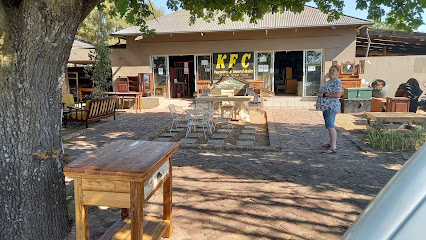
KFC Pawnshop & General Dealer is a Pawn shop establishment in Parys, Free State, South Africa
Parys
Free State
South Africa
Sorry, no records were found. Please adjust your search criteria and try again.
Sorry, unable to load the Maps API.
Pawn Shop Services in Parys, Free State
In Parys, a town set along the Vaal River in the Free State, pawn shops offer a practical option for individuals needing swift cash or a convenient way to buy items at lower prices. These establishments operate with a straightforward aim: provide short‑term loans secured against personal items, while also offering opportunities to purchase second‑hand goods. The approach is usually pragmatic, customer‑focussed and geared towards ensuring items found in every day life — jewellery, electronics, tools and more — can be accessed or recovered with minimal hassle.
Typical services include lending against collateral, buying and selling pre‑owned goods, and valuation services conducted by trained staff. When a customer brings an item to a pawn shop, an assessment is usually made to determine its current market value and potential loan amount. This process often considers the item's condition, age, brand or model, and the shop’s own resale expectations. Customers are then presented with a loan offer, usually expressed as a percentage of the item's estimated resale value. If accepted, the loan is issued, with terms that define the repayment period and any interest or fees. Once the loan is repaid, the collateral is returned in full; if the loan is not redeemed, the item may be sold to recoup the advance.
For shoppers, pawn shops in Parys commonly carry a rotating stock of items such as jewellery, watches, electrical appliances, mobile devices, small tools, musical instruments and homeware. The selection can vary, but the underlying principle remains the same: goods are offered at prices generally lower than new retail, subject to the item’s condition and the shop’s pricing strategy. It is advisable to inspect items carefully, ask about warranties (where available) and verify any accompanying documentation, such as receipts or certificates of authenticity for valuable pieces.
Practical considerations for customers include bringing valid identification, proof of address and, if applicable, any documents linked to the ownership of the item being pawned. Identification helps ensure transparent transactions and the protection of both parties. Vendors may also request details for traceability, particularly for higher‑value items. It is common for pawn shops to perform some level of basic testing or appraisal on site, but more complex valuations may warrant third‑party expertise. Payment methods vary and may include cash, bank transfers or mobile money, depending on the shop’s policies.
Language and etiquette in Parys’ pawn shops tend to reflect local norms: staff aim to provide clear explanations of terms, timelines and expectations, while maintaining a straightforward and respectful service style. Customers should expect to sign some form of agreement outlining the loan terms, interest rates, repayment schedule and the consequences of non‑repayment. Depending on the shop, extensions or renegotiations of terms might be possible, subject to approval and a revised repayment plan.
Security is a consideration in such transactions. Reputable shops prioritise the safe handling of items, secure storage, and discreet service. For those visiting from surrounding areas, it is wise to verify the shop’s operating hours, proximity to transport routes and parking facilities before heading out. While the general model of pawn shop services in Parys is consistent with national practices, local variations may exist in terms of regulatory requirements, interest rate norms and redemption periods. Prospective customers are encouraged to review the terms carefully and to compare a couple of nearby shops to find a transparent and fair arrangement.
- Common items accepted: jewellery, watches, electronics, mobile devices, tools, homeware
- Typical process: item valuation → loan offer → agreement signing → repayment or item redemption
- Key considerations: identification, condition of item, repayment terms, potential storage during the loan period