
Understanding Corporate Stationery
Overview of Corporate Stationery – Definition and significance in the business world
In the bustling corridors of business, first impressions matter more than ever. When someone receives a letter, an invoice, or a business card, the quality and consistency of these items reveal much about the company’s professionalism. This is where understanding what is corporate stationery becomes essential. Corporate stationery isn’t just about branded paper; it’s a strategic tool that embodies a company’s identity and credibility.
It encompasses a range of items, including letterheads, business cards, envelopes, and notepads, all crafted with a unified design language. The significance of corporate stationery extends beyond aesthetics—it’s a reflection of brand consistency and trustworthiness in the South African business landscape. Well-designed stationery can elevate a company’s image, making it memorable and trustworthy to clients and partners alike.
- Brand identity reinforcement
- Professional communication
- Market differentiation
When companies invest in quality corporate stationery, they communicate a commitment to excellence and attention to detail. This simple yet powerful element can influence perceptions and open doors to new opportunities—after all, in business, presentation is everything!
Purpose and Benefits – How corporate stationery enhances brand identity and professional communication
In the intricate dance of corporate perception, every detail counts—especially when it comes to what is corporate stationery. This seemingly simple aspect of branding wields profound influence over how a company is perceived, subtly weaving professionalism and credibility into every interaction. When thoughtfully designed, corporate stationery becomes a silent ambassador of your brand, transmitting a carefully curated message that extends beyond words.
At its core, corporate stationery serves as a tangible extension of your company’s identity. It’s not just about printed materials; it’s about crafting a visual language that reinforces your brand’s values and personality. For instance, a well-crafted letterhead or business card can evoke trust and elevate your company’s stature in the eyes of clients and partners. The strategic use of consistent logos, color schemes, and typography across these items helps cement brand recognition and fosters a sense of reliability.
Moreover, understanding what is corporate stationery reveals its role in professional communication. It transforms routine correspondence into a display of meticulous attention to detail, subtly positioning your business as both serious and sophisticated. This alignment of visual identity and messaging ensures that every touchpoint leaves a lasting impression, fostering loyalty and differentiation in competitive markets. When your stationery communicates clarity, quality, and consistency, it not only elevates your brand’s image but also enhances your market presence—an invaluable asset in South Africa’s dynamic business landscape.
Types of Corporate Stationery
Business Cards – Design elements and importance
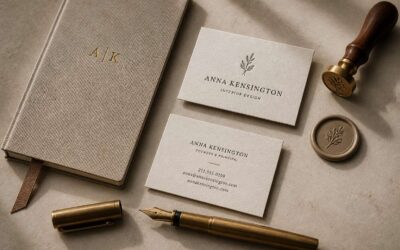
In the shadowed corridors of business, where perception is everything, understanding what is corporate stationery becomes a secret weapon. Among its many forms, business cards stand as the most intimate whisper of a company’s soul. They are not merely paper; they are a gateway to an entity’s identity—an emblem of professionalism cloaked in design elements that speak volumes.
Design elements on a business card are carefully curated symbols—fonts that echo authority, logos that carve a visual legacy, and color schemes that evoke emotion. These elements are the silent storytellers, forging a lasting impression in the minds of clients and partners. The importance of a well-designed card can’t be overstated; it transforms a simple contact detail into an artefact of trust and credibility.
For those seeking to grasp what is corporate stationery, recognizing the artistry behind business cards reveals how they serve as the first line of communication. Whether embossed logos, matte finishes, or minimalist aesthetics, every detail is a stroke in the masterpiece of brand identity. Here are key design features that elevate a business card from mundane to memorable:
- Unique typography that reflects the company’s ethos
- Strategic use of color to evoke brand recognition
- Incorporation of textures like embossing or foil stamping for tactile allure
In this darkened realm of corporate expression, business cards are more than mere contact details; they are the silent heralds of a company’s story—an artful blend of design elements that forge lasting impressions in a world obsessed with visibility.
Letterheads – Design features and uses
Within the vast tapestry of corporate identity, the type of letterhead chosen can transform mundane communication into a portal of prestige and trust. When exploring what is corporate stationery, one quickly realizes that letterheads are the crown jewel of professional correspondence—each design whispering stories of legacy and purpose. These sheets serve as the official voice of a company, blending aesthetic finesse with functional clarity.
Design features of various letterhead styles reflect the ethos of the business. For instance, a minimalist approach emphasizes sophistication, while ornate borders evoke tradition and stability. Some companies opt for embossed or foil-stamped elements, adding tactile allure that leaves a memorable impression. The use of high-quality paper, subtle watermarks, and strategic placement of logos all contribute to the overall impact. Whether used for formal contracts, official memos, or client correspondence, each variant of corporate stationery carries its own unique charm and purpose.
- Traditional letterheads—classic, with detailed borders and embossed logos for a sense of gravitas.
- Modern letterheads—clean lines, bold fonts, and minimalist design for a contemporary edge.
- Creative letterheads—integrating custom illustrations and textures that showcase innovation and brand personality.
In South Africa’s competitive markets, understanding the art of choosing the right letterhead can elevate your brand’s perception, ensuring every piece of communication resonates with authority and authenticity. The design features of each letterhead are more than mere decoration—they are strategic tools that embody the essence of what is corporate stationery and how it functions as a vital element of professional branding.
Envelopes and Mailing Supplies – Customization options and branding impact
When exploring what is corporate stationery, many overlook the vital role played by envelopes and mailing supplies. These seemingly simple components are, in fact, powerful branding tools that extend your company’s visual identity beyond the desk. Custom envelopes, for example, can feature your logo, brand colors, and unique textures, transforming routine mail into a memorable experience. Their design not only protects your documents but also communicates professionalism and attention to detail.
In South Africa’s competitive market, the customization options for corporate stationery are extensive. From classic paper stocks to innovative finishes, each choice impacts how your brand is perceived. Incorporating embossed seals or metallic accents elevates your mailing supplies, making them stand out in a crowded inbox. Whether you opt for traditional or modern styles, the strategic use of branded envelopes ensures your message resonates with authority and authenticity.
To diversify your branding approach, consider these popular types of corporate stationery mailing supplies:
- Standard mailing envelopes with custom printing
- Secure, tamper-evident envelopes for confidential documents
- Specialty padded or bubble-lined mailing bags for fragile items
Each option offers a unique avenue for reinforcing your brand’s story through tactile and visual cues. The right choice in envelopes and mailing supplies enhances your overall corporate stationery strategy, ensuring every piece not only delivers a message but also embodies your brand’s essence.
Invoices and Receipt Pads – Brand consistency in financial documents
In the intricate dance of brand representation, invoices and receipt pads emerge as often overlooked yet vital components of what is corporate stationery. These financial documents are more than just record-keeping tools; they are a reflection of your company’s professionalism and attention to detail. When crafted with consistent branding, they reinforce your brand identity at every touchpoint, from the initial invoice to the final receipt.
To ensure brand coherence, many South African businesses opt for customized invoice templates and branded receipt pads. These elements typically feature your logo, brand colors, and a cohesive design that aligns with your overall corporate stationery strategy. Such consistency not only fosters trust but also projects an image of reliability and meticulousness. Whether you choose numbered invoices for clarity or elegant receipt pads for client interactions, each piece should serve as an extension of your brand’s visual identity.
Ultimately, understanding what is corporate stationery extends beyond the visual appeal; it encompasses every detail that communicates your company’s values. By paying close attention to the design and presentation of invoices and receipt pads, you create a seamless professional experience that resonates with authority and authenticity.
Notepads and Notebooks – Marketing and internal communication tools
Within the enchanted realm of corporate branding, notepads and notebooks stand as silent ambassadors of your business’s ethos. These seemingly simple tools are much more than mere writing surfaces; they are strategic assets that seamlessly blend marketing magic with internal communication prowess. When crafted with care, they forge a tangible connection between your brand and its audience, transforming everyday office supplies into powerful storytelling instruments.
Notepads and notebooks serve dual purposes—both as internal communication tools and as subtle marketing channels. They can feature your company’s logo, brand colors, and signature design motifs, subtly reinforcing your visual identity. Whether used during staff meetings or handed to clients, these items radiate professionalism and foster brand loyalty. Their versatility makes them indispensable in creating a cohesive brand experience.
In the grand tapestry of corporate stationery, selecting the right type of notepad or notebook can elevate your brand’s presence. Options include:
- Branded softcover notebooks for client meetings
- Leather-bound journals for executive use
- Compact memos for quick internal notes
- Customized notepads for promotional giveaways
Each serves a unique purpose, yet all echo your company’s values and aesthetic. When used thoughtfully, these stationery items become more than just functional objects—they transform into enduring symbols of your brand’s commitment to excellence and innovation. Understanding what is corporate stationery involves recognizing the profound role that these tools play in shaping perceptions and nurturing professional relationships across South Africa’s dynamic business landscape.
Presentation Folders and Binders – Professional presentation and branding
Presentation folders and binders are essential components in the realm of corporate stationery, especially when it comes to making a professional impression. They serve as the backbone of polished business presentations and client meetings, showcasing your brand’s commitment to quality and consistency. When designed with precision, they reinforce your company’s identity and demonstrate attention to detail.
There are various types of these stationery items, each tailored to specific needs. For example, presentation folders can be customized with your company’s logo, brand colors, and unique finishes to stand out. Binders, on the other hand, are perfect for organizing large volumes of information, reports, or proposals—keeping everything neat and accessible. Both options elevate the perception of your business and bolster your corporate image.
When considering what is corporate stationery, understanding the importance of presentation folders and binders is key. They are more than just organizational tools; they are strategic assets that project professionalism and enhance your brand’s visual language in South Africa’s competitive market.
Design Elements of Corporate Stationery
Logo Placement – Strategic positioning for brand recognition
When it comes to what is corporate stationery, the strategic placement of your logo isn’t just about aesthetics—it’s a calculated move that amplifies brand recognition at every touchpoint. A well-placed logo on your letterhead or envelope creates an unspoken trust, whispering professionalism with each interaction. It’s akin to planting a seed in the minds of clients and partners, ensuring your brand remains top-of-mind long after the exchange.
Effective design elements hinge on the thoughtful positioning of your logo—whether in the top corner of a letterhead or subtly embossed on business cards. This deliberate placement not only boosts visual appeal but also reinforces brand consistency. To achieve this, consider these key aspects:
- Alignment with overall design principles
- Balance with other visual elements
- Visibility without overwhelming the content
Ultimately, strategic logo placement within what is corporate stationery is an art—an invisible thread weaving your brand’s narrative into every document. It’s a silent ambassador, quietly asserting your identity and credibility at every turn.
Color Schemes – Brand colors and visual consistency
Color schemes are the heartbeat of effective corporate stationery — they’re the visual whispers that communicate your brand’s personality without uttering a single word. When you ask, “what is corporate stationery,” it’s not just about paper and pens; it’s about crafting a cohesive visual story. Brand colors serve as the emotional palette that influences perceptions and fosters recognition. A well-chosen color palette ensures your stationery stands out in a sea of sameness, making every piece instantly identifiable.
Consistency is key. Your corporate stationery should reflect a unified aesthetic that echoes your brand’s core values. This means selecting colors that complement each other and harmonize with your logo, font choices, and overall design principles. Think of it as creating a visual symphony — where every element plays in tune, reinforcing your brand’s identity. When done right, your business cards, letterheads, and envelopes become more than just functional items; they become powerful branding tools that whisper professionalism and credibility.
To keep your visual identity sharp and memorable, consider implementing a color hierarchy. Use primary brand colors prominently, while secondary shades can highlight important information or add visual interest. The goal? Maintain visual consistency across all your corporate stationery, making your brand instantly recognizable and leaving a lasting impression. After all, in the world of corporate stationery, color isn’t just decoration — it’s a strategic asset in your branding arsenal.
Typography – Font choices and readability
Typography is the silent ambassador of your corporate stationery — it shapes first impressions before a single word is read. When considering what is corporate stationery, font choices are paramount. They not only reflect your brand’s personality but also influence readability and professionalism. A well-selected font harmonizes with your logo and color scheme, creating a cohesive visual identity that resonates with clients and partners alike.
Readability should never be compromised. Opt for clear, legible fonts that suit the tone of your business—whether it’s a sleek sans-serif for modernity or a classic serif for tradition. Remember, the goal is to communicate your message effortlessly. To achieve this, many organizations use a hierarchy of fonts: a primary font for headings and a secondary for body text, ensuring clarity and visual interest. This subtle yet strategic approach reinforces your brand’s credibility and leaves a lasting impression.
Material Choices – Paper quality and finishing touches
In the realm of professional presentation, the tactile sensation of your corporate stationery can transform mere communication into a tactile symphony of sophistication. When considering what is corporate stationery, material choices are the silent sculptors of your brand’s identity. The quality of paper, for instance, acts as a foundation—an unspoken promise of excellence that your clients can feel. The weight, texture, and finish of the paper all contribute to the story your brand tells with every touch.
Finishing touches—such as embossing, foil stamping, or matte lamination—add an extra layer of refinement. These subtle embellishments do more than beautify; they elevate your stationery from the mundane to the memorable. Think of these details as the delicate brushstrokes that complete a masterpiece. Choosing the right material and finishing options ensures your brand exudes professionalism and leaves a lasting impression on every recipient.
Additional Graphics and Images – Using visuals to reinforce brand identity
Visual elements are the silent ambassadors of your brand, whispering stories about professionalism and attention to detail. When considering what is corporate stationery, the strategic use of additional graphics and images becomes paramount. These visuals don’t just adorn your materials—they reinforce your brand identity with subtle yet powerful cues. A carefully placed logo, iconography that complements your message, or a signature color palette can turn ordinary stationery into a memorable imprint of your business ethos.
Effective use of graphics can also guide the recipient’s eye, emphasizing key information or creating a cohesive visual flow. Incorporating custom images or patterns tailored to your industry makes your stationery stand out in a crowded marketplace. For instance, a tech startup might use sleek, modern icons, while a creative agency leans toward expressive, artistic visuals. This strategic visual storytelling elevates your communication, making every piece of stationery a conduit of your brand’s personality and values.
- Align visuals with your brand’s core message
- Maintain consistency across all stationery items
- Use high-resolution images for clarity and professionalism
In the end, the thoughtful integration of additional graphics and images into your corporate stationery ensures a harmonious blend of aesthetic appeal and brand recognition. It’s these details that turn simple paper into a powerful extension of your corporate identity, leaving an indelible impression on every recipient.
Importance of Corporate Stationery in Branding
Professional Image and Credibility – How stationery builds trust with clients
In the world of business, trust is currency. When clients receive professionally branded corporate stationery, it signals reliability and attention to detail. This is especially true for what is corporate stationery—more than just paper and pens, it’s a reflection of your brand’s professionalism. A well-designed set of business cards, letterheads, and envelopes creates a cohesive image that fosters confidence. It’s a subtle but powerful way to communicate your brand’s values and stability.
Research shows that companies with consistent corporate stationery are perceived as more credible. When clients see uniform branding across all documents, it reinforces your commitment to quality. This consistency builds recognition and helps your business stand out in a crowded marketplace. Remember, every piece of corporate stationery is an opportunity to make a lasting impression and build trust with clients, partners, and stakeholders.
Brand Recognition – Consistency across all materials
In the complex tapestry of branding, consistency emerges as the silent architect shaping perception and allegiance. When considering what is corporate stationery, it becomes evident that these seemingly simple tools wield extraordinary influence over brand recognition. Every element—be it a letterhead, envelope, or business card—serves as a visual ambassador, whispering your brand’s story with subtle authority.
Consistency across all materials isn’t merely aesthetic; it’s a psychological anchor that reinforces your business’s identity in the minds of clients and stakeholders. Think of it as a signature—distinctive, recognizable, and trustworthy. By maintaining uniform design elements such as color schemes, typography, and logo placement, companies craft a seamless narrative that elevates their professional stature and embeds their brand into the subconscious of their audience. This deliberate coherence fosters familiarity, making your brand not just seen but remembered amidst a sea of competitors.
Internal and External Communication – Facilitating clear and unified messaging
In the crowded arena of business, clear and consistent communication isn’t just a luxury—it’s a necessity. Corporate stationery plays a pivotal role in shaping how a company presents itself both internally and externally. When asking what is corporate stationery, many envision just paper and pens, but it’s much more than that. It’s a strategic tool that ensures every message, whether formal or casual, reinforces the brand’s identity.
From client-facing documents to internal memos, the uniformity of design and messaging fosters a sense of professionalism and reliability. A well-crafted business card, for instance, doesn’t merely share contact details—it embodies your company’s ethos. Similarly, branded envelopes and letterheads serve as silent ambassadors, subtly communicating your business’s values and attention to detail.
The importance of corporate stationery extends beyond aesthetics. It’s about creating a cohesive experience that builds trust and credibility. When every piece of correspondence aligns with your visual identity, it cultivates familiarity and loyalty among clients and partners alike. This seamless consistency transforms simple paper into a powerful extension of your brand, illustrating why understanding what is corporate stationery is fundamental for any business aiming to stand out in South Africa’s competitive market.
Customizing Corporate Stationery
Design Process – Steps to create effective stationery
Designing effective corporate stationery is both an art and a science—an intricate process where every detail matters. When you understand what is corporate stationery, you realize it’s more than just paper and ink; it’s a reflection of your brand’s essence. The customization process begins with a clear vision of your brand identity, followed by selecting elements that resonate with your corporate ideals. From choosing the right color schemes to crafting compelling typography, every step shapes how your business is perceived.
To streamline this creative journey, consider these pivotal steps:
- Define your brand’s visual language, including logo placement and color palette.
- Choose high-quality materials that reinforce your brand’s professionalism.
- Incorporate visuals and graphics that align seamlessly with your corporate identity.
- Ensure consistency across all stationery components to foster brand recognition.
Engaging in this meticulous process ensures your corporate stationery stands out, exuding credibility and fostering trust. It’s not just about aesthetics; it’s a strategic move—one that transforms ordinary paper into a powerful tool for internal and external communication. When you grasp what is corporate stationery, you unlock the potential to craft memorable, impactful brand impressions that resonate long after the first encounter.
Choosing a Printing Partner – What to consider for quality and cost
Choosing a printing partner for your corporate stationery might seem like just another business chore, but it’s actually a strategic move that can make or break your brand’s impression. When you ask “what is corporate stationery,” you’re uncovering a vital piece of your brand puzzle—one that requires a keen eye for quality and a wallet wise enough to avoid unnecessary splurges. A reputable printing partner understands that the right materials, finishes, and print techniques elevate your stationery from mere paper to a powerful branding tool.
Consider these factors when selecting your printing partner: first, evaluate their experience in producing corporate stationery that aligns with your brand’s aesthetic. Next, scrutinize their print quality—sharp images, vibrant colors, and durable finishes are non-negotiables. Cost is also crucial; balancing affordability with high standards ensures you don’t compromise on brand integrity. To help navigate this process, here’s a quick rundown:
- Assess their portfolio for consistency and creativity.
- Request samples to check the quality of printing and materials.
- Inquire about turnaround times to meet your deadlines.
- Clarify pricing structures—hidden costs can sneak in like a sneaky ninja.
Remember, your corporate stationery is more than just functional items; it’s a reflection of your brand’s professionalism. Partnering with the right printer guarantees that every letterhead, envelope, or business card contributes to a cohesive and compelling brand story—one that resonates long after the initial exchange.
Cost Factors – Budgeting for corporate stationery
Budgeting for corporate stationery involves more than just picking out pretty paper. It’s about understanding the nuanced cost factors that influence the final price—materials, printing techniques, and customization options all play a role. When asking “what is corporate stationery,” many envision simple items like letterheads and business cards, but these essentials can vary widely in quality and expense. High-quality paper, special finishes, and vibrant color printing inevitably impact costs, yet they elevate your brand’s professional image.
To manage expenses effectively, consider these key elements:
- Material choices—premium papers and eco-friendly options often come at a premium but reinforce your brand’s values.
- Design complexity—intricate graphics and custom embossing increase production costs but leave a lasting impression.
- Quantity ordered—bulk printing usually reduces per-unit costs, making it more budget-friendly for large campaigns.
Being strategic with these factors ensures your corporate stationery budget aligns with your brand goals without sacrificing quality or impact. Remember, investing wisely in your stationery is an investment in your professional image and long-term brand recognition in South Africa’s competitive market.
Sustainable and Eco-friendly Options – Environmentally conscious choices
In a world increasingly conscious of ecological footprints, choosing sustainable and eco-friendly options for corporate stationery is more than just a trend—it’s a strategic statement. When asked “what is corporate stationery,” many envision glossy business cards or crisp letterheads, but today’s discerning brands are weaving in environmentally conscious choices that speak volumes about their values. Eco-friendly materials such as recycled paper, biodegradable inks, and plant-based finishes not only reduce environmental impact but also elevate your company’s image among conscientious clients.
Opting for sustainable corporate stationery doesn’t mean sacrificing quality or style. In fact, many suppliers now offer innovative options like seed paper or FSC-certified materials that reinforce your brand’s commitment to sustainability. Incorporating these elements subtly sends a powerful message: your company is responsible, forward-thinking, and aligned with global sustainability goals. It’s a delicate dance—balancing eco-consciousness with elegance—yet the payoff is a brand reputation that resonates deeply in South Africa’s competitive market.
Furthermore, you might consider
- using vegetable-based inks
- embracing minimalist designs that require fewer resources
- integrating digital alternatives for internal communication
to enhance your eco-friendly corporate stationery strategy. Such choices foster a sense of authenticity and trust, ensuring your branding remains both impactful and environmentally respectful. After all, understanding what is corporate stationery extends beyond aesthetics—it’s about embedding sustainability into your brand’s DNA and making every piece a testament to your corporate ethos.
Best Practices for Using Corporate Stationery
Consistent Branding – Maintaining visual and textual uniformity
In the shadowy realm of branding, maintaining visual and textual uniformity is the secret to forging an indelible mark. When contemplating what is corporate stationery, it becomes clear that consistency is the lifeblood of a powerful brand identity. Every piece, from letterheads to notepads, must echo the same tone, style, and personality—like a haunting melody that lingers long after the initial note.
To achieve this, brands must adhere to best practices that ensure seamless integration across all materials. This means establishing strict guidelines for logo placement, color schemes, and typography—each element carefully calibrated to reinforce recognition. An unbroken visual narrative not only elevates professionalism but also cultivates trust, wrapping clients and partners in a familiar, reassuring aura.
- Develop a comprehensive style guide that encapsulates all branding elements.
- Use consistent fonts and color palettes across every document and correspondence.
- Prioritize high-quality materials that reflect your company’s prestige and longevity.
When these principles are woven into the fabric of what is corporate stationery, the result is an intoxicating blend of credibility and allure—an unspoken promise of excellence that echoes through every communication. In this dark symphony of design, consistency becomes the melody that keeps your brand haunting the minds of your audience long after the initial encounter.
Appropriate Usage – Situations for each type of stationery
Knowing what is corporate stationery isn’t just about having pretty paper; it’s about wielding a powerful tool that elevates your brand’s credibility. But even the most dazzling designs fall flat if used inappropriately. Imagine handing out a sleek letterhead at a casual coffee meeting—awkward, right? The key is understanding the appropriate situations for each type of corporate stationery.
For formal correspondence, such as official letters or contracts, a well-designed letterhead exudes professionalism. Meanwhile, business cards are best reserved for networking events or when making a first impression—think of them as your brand’s handshake. Notepads and notebooks serve internal communication or marketing giveaways, adding a touch of consistency that reinforces brand identity.
- Use presentation folders when delivering proposals or pitches to project organization and polish.
- Opt for custom envelopes during direct mailing campaigns to boost visibility and brand recognition.
By adhering to these situational best practices, your corporate stationery becomes more than just paper—it transforms into an extension of your company’s personality, ensuring every piece communicates your message with precision and style. After all, what is corporate stationery if not a strategic weapon in the art of professional communication?
Updating Designs – Keeping branding current
In the rapidly shifting landscape of professional branding, the importance of updating designs to keep branding current cannot be overstated. When considering what is corporate stationery, it’s crucial to understand that visual freshness sustains relevance—what served as a striking design five years ago may now feel outdated or disconnected from your evolving identity. Refreshing your corporate stationery ensures that every touchpoint resonates with your target audience and reinforces your company’s modern ethos.
This process involves more than just swapping out old logos or changing color schemes; it’s a strategic recalibration of visual language. Incorporating new design elements requires a delicate balance—maintaining brand recognition while embracing contemporary aesthetics. For example, subtle shifts in typography or introducing minimalist graphics can breathe new life into your stationery, making it more aligned with current design trends. Remember, consistency is key: an overhaul should harmonize seamlessly across all materials, from business cards to presentation folders, cultivating a cohesive and powerful brand presence.
Regularly updating your corporate stationery not only demonstrates attentiveness and professionalism but also keeps your brand’s message sharp and relevant. Whether you are revamping your color palette or refining logo placement, these changes help reinforce your company’s identity in a competitive marketplace. After all, what is corporate stationery if not a mirror reflecting your company’s latest evolution—an essential instrument in the art of maintaining a compelling, unified brand image in South Africa’s vibrant business environment?
Where to Get Corporate Stationery Designed and Printed
In-house vs. Professional Design Services – Pros and cons
When it comes to sourcing your corporate stationery, the decision between in-house design and professional services can make or break your brand’s first impression. An overwhelming 70% of consumers judge a company’s credibility based solely on its stationery, proving that the question of “where to get corporate stationery designed and printed” isn’t just about aesthetics—it’s about perception. In-house design might seem like the budget-friendly option, allowing quick tweaks and immediate control, but it often lacks the polished finesse of a professional touch. Conversely, professional design services bring expertise, branding consistency, and a level of sophistication that can elevate your corporate identity to new heights.
Choosing the right approach hinges on your company’s priorities and resources. An in-house team is perfect for rapid iterations and budget constraints, yet it might fall short of delivering the visual impact that a seasoned graphic designer can produce. On the other hand, professional design services often come with a higher price tag but offer a wealth of experience, industry insights, and access to top-tier printing partners.
- Cost considerations
- Design quality
- Brand consistency
are crucial factors in this decision-making process, especially when considering what is corporate stationery that truly reflects your brand’s ethos.
Leading Printing Companies – Top providers for corporate stationery
When it comes to sourcing your corporate stationery, choosing the right provider can significantly influence your brand’s perception. Leading printing companies in South Africa offer a range of options tailored to meet diverse business needs. These top providers specialize in creating high-quality, custom designs that reflect your brand’s identity and values. They understand what is corporate stationery and how it functions as a vital communication tool. From sleek business cards to elegant letterheads, these companies ensure your materials stand out with professional finesse.
Many of these providers also offer comprehensive printing services, allowing you to streamline your branding efforts through a single supplier. Here are some top-rated companies known for their expertise in corporate stationery printing:
- PrintSA
- InkAfrica
- South African Print & Packaging
- PrintWild
Choosing the right partner involves assessing their material quality, printing technology, and ability to deliver consistent branding across all your business stationery. Whether you need eco-friendly options or premium finishes, these companies can accommodate your specific requirements. In the world of business, effective corporate stationery isn’t just about aesthetics—it’s about conveying professionalism and building trust with your clients and partners.
Online Design Tools – DIY options for small businesses
In today’s digital age, the question of what is corporate stationery remains more relevant than ever. It’s not just paper and pens; it’s a vital extension of your brand’s personality and professionalism. For small businesses looking to make an impact without breaking the bank, online design tools offer an accessible way to craft your own corporate stationery. These DIY platforms empower entrepreneurs to experiment with layouts, colors, and fonts, giving life to their unique brand identity from the comfort of their home or office.
Many of these tools provide templates specifically tailored for business cards, letterheads, and envelopes, streamlining the design process. A few popular options include user-friendly websites like Canva, Adobe Express, and Vistaprint. They often feature drag-and-drop interfaces that make customizing your documents both straightforward and enjoyable. For those who prefer a more guided experience, some platforms even offer step-by-step tutorials, helping you create professional-grade stationery that aligns with your brand’s ethos.
Small businesses can also benefit from the flexibility of online printing services, which allow you to upload your designs directly. This seamless integration between designing and printing ensures your branding remains consistent across all what is corporate stationery. Whether aiming for eco-friendly materials or premium finishes, these platforms cater to a variety of needs, making it easier than ever to establish a credible, memorable presence— even on a tight budget.
0 Comments