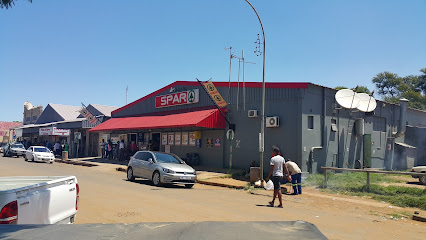
SPAR Utrecht is a Grocery store establishment in eMadlangeni Local Municipality, KwaZulu-Natal, South Africa
eMadlangeni Local Municipality
KwaZulu-Natal
South Africa
Sorry, no records were found. Please adjust your search criteria and try again.
Sorry, unable to load the Maps API.
Grocery store services in eMadlangeni Local Municipality, KwaZulu-Natal
Grocery stores within eMadlangeni Local Municipality in KwaZulu-Natal are typically community-focused outlets that cater to daily household needs. These establishments range from modest convenience shops to larger supermarkets that provide a broader range of products. The primary aim is to offer reliable access to essential food items, household goods and basic everyday necessities for residents across the municipality and surrounding rural areas.
Customers can expect a spectrum of product categories commonly found in grocery stores. Core offerings include fresh fruit and vegetables, bread and bakery items, dairy products, meat and poultry, tinned and packaged foods, beverages, frozen foods, and household essentials such as cleaning supplies and personal care items. Many stores also maintain a dedicated section for dry goods, snacks and confectionery, as well as staple staples like rice, flour and cooking oils. Where space permits, a small deli or ready-to-eat counter may be available, providing quick meal options for those on the go. Special dietary items, such as gluten-free or halal products, may be stocked depending on local demand and supplier access.
The shopping experience in this region typically emphasises practical convenience. Stores strive to maintain clean aisles, clearly labelled shelves, and orderly displays to help customers locate items efficiently. In smaller outlets, staff can provide helpful guidance on product locations, weekly specials and bulk purchase options. In larger stores, customers can expect self-service shelves alongside traditional service counters for items such as butcher cut meats or bakery goods. Good stock management is valued to minimise out-of-stock occurrences, though variability in supply and seasonal shifts can influence availability.
Payment options reflect common retail practices in South Africa. Cash remains widely accepted, with many stores also processing debit and credit card payments. Mobile payment solutions, including popular domestic platforms, may be supported where technology and connectivity allow. Some rural or smaller shops could offer limited card facilities, while others may operate as cash-first businesses. Practically, shoppers are advised to check the nearest outlet for the range of accepted payment methods before embarking on a visit.
Practical considerations for shopping in eMadlangeni include parking and vehicle access, which vary with location. Several stores provide on-site parking, while more rural or compact outlets may rely on street-side parking or convenient nearby spaces. Opening hours are typically designed to accommodate early-morning and late-afternoon shoppers, with many outlets operating throughout the week and offering weekend access. Security measures, including regular staff presence, visible CCTV and secure checkout areas, contribute to a safe shopping environment in both urbanising and rural settings.
Local grocery stores often interact with the surrounding community by stocking seasonal products or items requested by regular customers. They may also provide information on supplier deliveries or local farmers’ offerings, supporting nearby agriculture and small-scale producers. While each store operates within its own logistical framework, the general model in eMadlangeni involves a straightforward purchasing process: select items from shelves, proceed to a checkout, and complete payment by the accepted method. For households seeking bulk purchases or weekly shopping trips, it is common to plan for a multi-item visit, particularly in larger outlets that carry a wider range of categories.
Overall, grocery store services in eMadlangeni Local Municipality aim to deliver reliable access to essential groceries, everyday household goods and practical conveniences. The experience centres on straightforward shopping, clear product presentation, and support from staff to navigate availability, stock levels and local offerings. Shoppers should expect a community-minded retail environment designed to meet routine needs with efficiency and care.